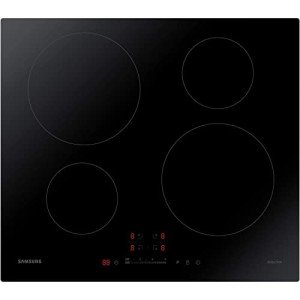
Seven Explanations On Why Induction Hob Benefits Is Important
Induction Hob Benefits: A Smart Choice for Modern Kitchens
Induction hobs have gained substantial traction in the last few years as a cooking alternative in modern cooking areas. With their sleek style and advanced innovation, they not just elevate the aesthetic of kitchen area spaces however also provide a myriad of benefits to both amateur cooks and expert chefs. This post dives into the various advantages of induction hobs, how they run, and why they're ending up being a popular option for households around the world.
Comprehending Induction Hobs
Before leaping into the benefits, it is necessary to comprehend how induction hobs function. Unlike conventional gas or electric stoves that depend on direct flame or glowing heat, induction hobs utilize electro-magnetic fields to directly heat up pots and pans. When a suitable pots and pans material— such as cast iron or stainless-steel— makes contact with the hob, the induction coil produces heat, preparing the food efficiently.
Key Features of Induction Hobs
Immediate Heat Control: The moment the pots and pans is put on the hob and turned on, heat is generated quickly. This permits quick heating and precise temperature control.
Energy Efficiency: Induction cooking is highly effective, as approximately 90% of the heat produced is transferred to the pot, decreasing energy loss.
Precaution: Most induction hobs come geared up with security features such as automated shutoff and kid lock systems. The surface remains cool to the touch, lowering instances of burns.
Advantages of Induction Hobs
Here are some compelling reasons to consider installing an induction hob in your kitchen:
1. Energy Efficiency
Induction hobs significantly lower cooking times compared to gas and electrical hobs. This energy-saving advantage is not only helpful for the environment but likewise causes reduce utility costs.
Benefits:
- Reduced cooking time
- Lower energy usage
2. Faster Cooking
Since induction hobs heat up quickly, they permit cooks to prepare meals in less time. This can be particularly helpful when meal prepping or quickly preparing meals on hectic weeknights.
Key Points:
- Immediate heating
- Quick reaction to temperature modifications
3. Safety Features
Induction hobs are created with user safety in mind. The cooking surface area remains fairly cool, minimizing the threat of accidental burns or fires.
Automatic Shut-Off: When pots and pans is removed, the hob immediately shuts off, boosting security.
Cool-to-Touch Surface: The hob itself remains cool, decreasing the risk of burns.
4. Easy to Clean
Standard gas and electrical hobs can be challenging to clean due to food spills and burnt residues. Induction hobs, with their flat surface, make cleaning simple and effective.
Cleaning Tips:
- Use a wet fabric for routine cleansing.
- For tougher stains, specialized induction hob cleaners can be used.
5. Precise Temperature Control
Induction hobs supply unrivaled temperature level control, allowing users to simmer, sear, and cook to perfection with ease. This offers higher versatility in cooking strategies.
Cooking Techniques:
- Simmering sauces
- Burning meats
- Boiling pasta
6. Elegant Design
Numerous induction hobs include contemporary styles that can easily fit into any kitchen area decoration. They are readily available in different sizes and styles, from single burners to extensive, multi-zone models.
Comparison of Cooking Methods
Below is a table illustrating the crucial distinctions in between induction hobs, gas ranges, and electrical ranges.
Function
Induction Hob
Gas Stove
Electric Stove
Heat Method
Electromagnetic
Flame
Electric Resistance
Effectiveness
As much as 90%
Around 40%
Around 70%
Safety
High (cool surface)
Moderate
Moderate
Speed
Fast
Moderate
Slow
Cleaning
Easy
Challenging
Moderate
Cooking Considerations
When considering the switch to an induction hob, there are a few considerations to keep in mind:
Cookware Compatibility: Only ferrous (magnetic) materials work with induction hobs. Cast iron or stainless-steel pots and pans is ideal, while glass, aluminum, and copper normally need an unique magnetic base.
Expense: While induction hobs may be more pricey upfront than conventional range types, their efficiency and toughness typically make them a rewarding financial investment.
FAQs
Q1: Can I utilize my existing cookware on an induction hob?A1: Only ferrous products will work. If a magnet adheres to your pots and pans, they need to work. Q2: Are induction hobs safe for children?A2: Yes
, with features like automated shut-off and a cool surface, they are developed to be safe. However, adult guidance is always recommended. Q3: Do induction hobs produce infrared radiation?A3: No, induction
hobs do not produce infrared radiation;
they solely produce heat through magnetic fields. Q4: Can you prepare with induction hobs during a power outage?A4: Induction hobs require electrical energy to operate, so they will not work during a power interruption.
Induction hobs are a compelling cooking option that embodies the perfect blend of effectiveness, security, and modern design. As innovation continues to progress in the cooking world, induction cooking represents a practical choice for contemporary kitchens. With Induction Hob Features use, induction hobs are certainly a wise financial investment for both culinary lovers and daily cooks alike. Whether you're having problem with your current setup or merely aspiring for a more structured cooking experience, an induction hob might just be the service you've been looking for.